

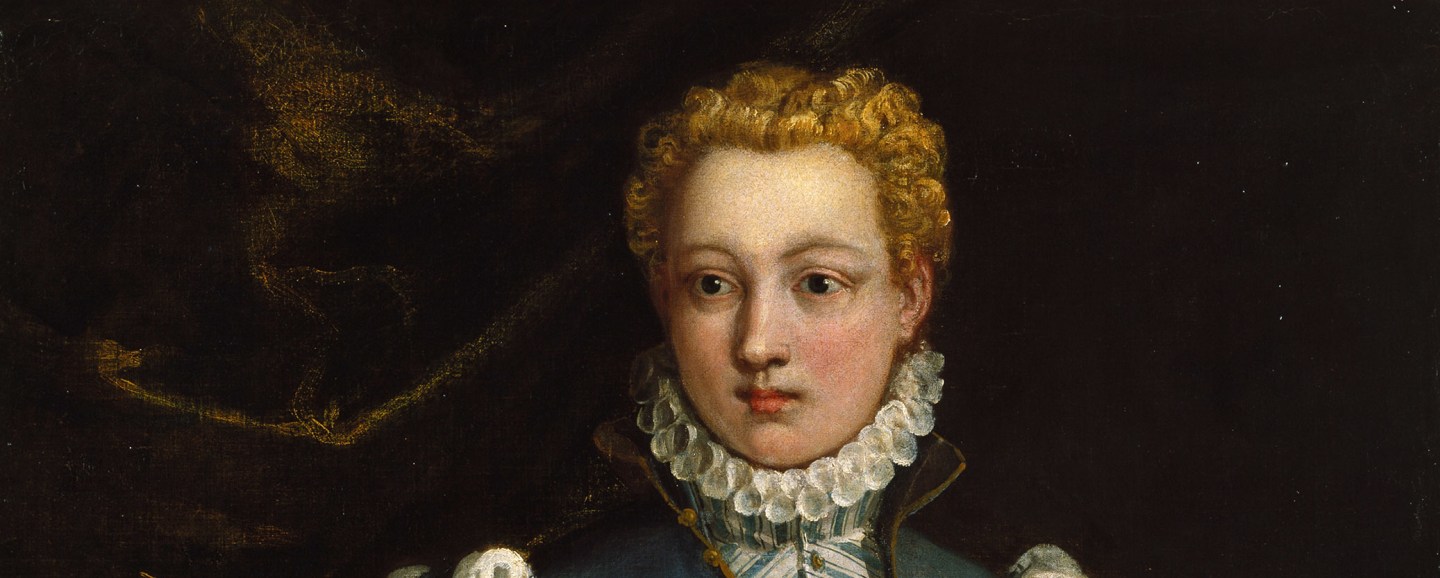

Fantasy writers steal from history constantly; the clothing, the etiquette, the architecture, the politics, the grotesque and the glamorous.
Over on The Fantasy Fables Guild, we published a Q&A interview with professor and historian Jill Burke that digs into one particular vein of inspiration: Renaissance-era beauty practices. The topic might seem strange for a blog directed at fantasy writers, but those details are exactly what make fictional worlds feel tangible.
If you want a world that feels lived-in rather than pasted together, history is a treasure trove waiting to be mined.
Adding Sensory Details:
Real history supplies authentic descriptors that most people never think about. The series The Riyria Chronicles is heavy in medieval-life details, right down the the descriptions of wattle-and-daub, for this reason.
Maybe you want a courtly character who carefully paints their face with lead-based cosmetics, or perfumes their gloves to mask the scent of unwashed laundry.
Adding Political Drama
If you plan to write political intrigue, you need architecture first. Laws, customs, bureaucracies, and social hierarchies shape every decision characters make. With that in mind, studying real political systems will likely save a lot of time for your world-building.
You could adapt the feudal structure of England, the merchant republics of Renaissance Italy, or the rigid caste systems found across history. Pull what serves your narrative, and reshape what does not.
Plot inspiration
History is a graveyard of unbelievable true events. Wars start over marriages, insults, and misunderstandings. Alliances flip overnight, heroes become tyrants, and villains become martyrs. Using history as a skeleton for your narrative allows you to focus your creativity where it counts.
The War of the Roses gave Game of Thrones its plot skeleton. The underlying plot points nearly mirror what happened in the real-life war(though with added fantasy elements, of course).
Let history do some of the heavy lifting for you.
Character Inspiration
If you want to skip the“farmer-turned-hero” template, you could instead look up alternative professions from the era you are drawing inspiration from. Medieval and Renaissance societies were filled with specialized crafts, bizarre jobs, and unique social roles.
A cartographer might travel, hear political rumors, and witness territorial disputes firsthand. A tanner might work with grotesque smells and chemicals that could affect their health and status. A court musician might learn secrets not meant for common ears.
These jobs give characters goals, limitations, and personality baked right into their careers.
If you want to sharpen your world-building with authentic details or simply enjoy learning how strange the past truly was, the full interview with Dr. Jill Burke is worth your time. Her expertise brings Renaissance beauty standards and practices into vivid focus.






Leave a Reply